✝️ Reformed Theology: A Deep Dive into the Doctrines of Grace
Rooted in Scripture. Centered on Christ. Lived for the glory of God.
🕰️ Introduction: Why Reformed Theology Still Matters
Imagine walking into a small, white‑steepled church tucked along a gravel road. Inside, a faithful pastor opens his Bible to Ephesians 1 and proclaims, “Before the foundation of the world, God chose you in Christ!” Some sit in awe. Others wonder what that even means. This is the heartbeat of Reformed Theology—a robust, God‑centered way of understanding the Christian faith that reaches deep into Scripture and daily life.
Reformed Theology is not a dusty set of doctrines for seminary students. It is a living, practical understanding of who God is, how He saves, and how we walk with Him in every part of life.
📜 1. Historical Roots
1.1 The Reformation in Action
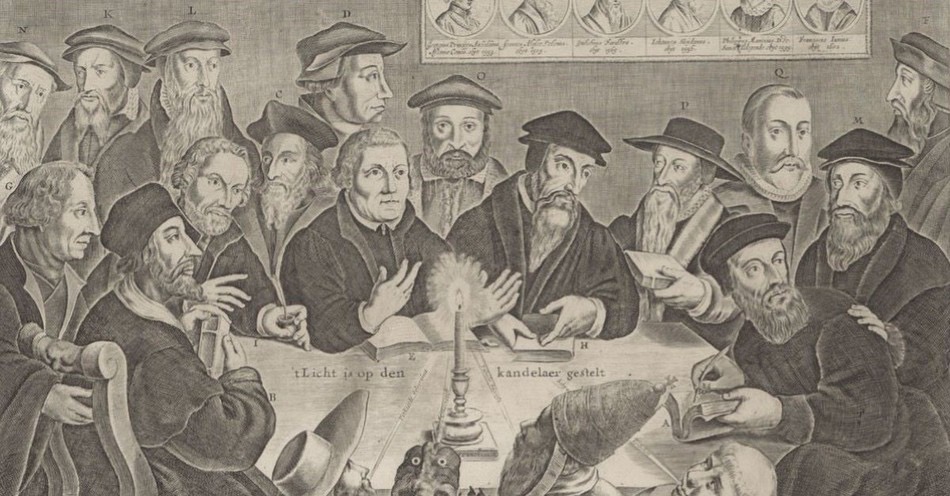
The Protestant Reformation of the 1500s was a cry for the church to return to the Bible. Men like Huldrych Zwingli in Switzerland and John Calvin in Geneva insisted that God’s Word, not church traditions, should govern worship and salvation.
In 1519, Zwingli preached verse‑by‑verse through the Bible—a revolutionary act at the time. He removed practices not commanded in Scripture, such as the veneration of images. Calvin later published his Institutes of the Christian Religion(1536), a systematic explanation of the Christian faith grounded in God’s sovereignty and grace.
1.2 The Synod of Dort and the “Doctrines of Grace”
Fast‑forward to 1618–1619. At the Synod of Dort, church leaders gathered to respond to theological challenges. Out of that meeting came what we now call the Five Points of Calvinism—a clear summary of God’s saving work. These “Doctrines of Grace” remain a cornerstone of Reformed theology.
📖 2. Core Principles
2.1 The Five Solas: Anchors of the Faith
At the heart of Reformed Theology stand the Five Solas—Latin phrases that sum up the Reformation’s heartbeat:
- Sola Scriptura (Scripture Alone): The Bible is our ultimate authority (2 Timothy 3:16–17).
- Sola Fide (Faith Alone): We are justified by faith, not works (Romans 3:28).
- Sola Gratia (Grace Alone): Salvation is God’s free gift, not our achievement (Ephesians 2:8–9).
- Solus Christus (Christ Alone): Jesus is the only mediator between God and man (1 Timothy 2:5).
- Soli Deo Gloria (To God Alone Be the Glory): All of life is for His glory (1 Corinthians 10:31).
These truths form the scaffolding of everything else in Reformed thought.
2.2 God’s Sovereignty
Reformed Theology exalts the absolute sovereignty of God. Isaiah 46:10 says, “My counsel shall stand, and I will accomplish all my purpose.” This means that nothing—no political upheaval, personal trial, or even our own sin—falls outside His plan.
Verbal Illustration: Picture a farmer who plants wheat each spring. He cannot control the rain or the sun, yet he trusts God to bring the harvest. Reformed Theology teaches that the same God who governs the weather also governs salvation and the details of our lives.
🌱 3. Covenant Theology: God’s Unified Plan
Reformed Theology views the Bible as one big story—a series of covenants (sacred promises) revealing God’s redemptive plan.
- With Adam, God promised life for obedience.
- With Noah, He promised to preserve the world.
- With Abraham, He promised to bless the nations through his seed.
- With Moses, He gave the law to show His holiness.
- With David, He promised a king whose throne would last forever.
- In Christ, God fulfilled all these promises (Luke 24:44).
This covenantal lens helps us see that Scripture is not a collection of random stories but one continuous story of grace.
🌷 4. The Doctrines of Grace (TULIP)
4.1 🌑 Total Depravity
Humans are not merely wounded by sin; we are spiritually dead apart from God (Ephesians 2:1).
Illustration: Like a sheep trapped in a pit, we cannot climb out on our own. God must come down to rescue us.
4.2 🌟 Unconditional Election
God chooses people to be saved not because of anything good in them but because of His mercy (Romans 9:16).
Illustration: A farmer doesn’t choose which seed will sprout based on how shiny they are. He plants, waters, and brings growth by his own will.
4.3 ✝️ Limited Atonement (Particular Redemption)
Christ’s death actually accomplished salvation for those the Father gave Him (John 10:11). His sacrifice is sufficient for all but effective only for the elect.
Illustration: A shepherd doesn’t just open the gate; he lays down his life for his sheep.
4.4 💧 Irresistible Grace
When God calls someone to salvation, His Spirit opens their heart so they willingly believe (John 6:37).
Illustration: Like the irresistible pull of a magnet to metal, God’s grace draws the sinner to Christ.
4.5 🛡️ Perseverance of the Saints
Those whom God saves, He will keep to the end (Philippians 1:6).
Illustration: A shepherd doesn’t abandon his flock in a storm. He carries them through safely.
🕊️ 5. Worship and Sacraments
5.1 The Lord’s Supper
Reformed churches teach that Christ is spiritually present in communion. Believers feed on Him by faith, and their hearts are strengthened.
Verbal Illustration: Like a nourishing meal around the family table, the Lord’s Supper feeds and refreshes weary Christians.
5.2 Baptism
Baptism is a sign and seal of God’s covenant promises. Just as circumcision marked God’s people in the Old Testament, baptism marks believers (and in some churches, their children) as belonging to the visible covenant community.
🏠 6. All of Life Is Sacred
In Reformed Theology, there’s no “sacred‑secular” divide. Whether you’re teaching school, running a business, or baling hay, all work is done unto the Lord (Colossians 3:23).
Illustration: A dairy farmer wakes up at 4 a.m. to milk cows. Though no one is watching, he does it with excellence, knowing God is honored by his faithfulness.
🌎 7. Engaging the World
Reformed Christians have historically impacted education, government, and the arts because they believe Christ is Lord over all. Dutch theologian Abraham Kuyper famously said, “There is not a square inch in the whole domain of our human existence over which Christ, who is Sovereign over all, does not cry, ‘Mine!’”
This worldview leads believers to care about justice, beauty, and truth in the public square—not to earn God’s favor but to glorify Him.
📢 8. Evangelism and Assurance
Reformed Theology doesn’t make evangelism pointless; it makes it powerful. Because God is sovereign, we can share the gospel boldly, knowing He will save His people (Acts 13:48).
It also brings deep assurance. If God is the one who saves, then nothing—not even your worst failures—can separate you from His love (Romans 8:38‑39).
Illustration: Picture a child learning to walk. Even when she stumbles, her father holds her hand tightly. That’s how God keeps His children.
🔑 9. Why It Matters Today
- It gives clarity in a world of confusion.
- It brings hope when life feels uncertain.
- It offers depth in a culture of shallow faith.
- It fuels worship when we see how great God truly is.
🙏 Conclusion: Living for God’s Glory
Reformed Theology is not about winning theological arguments. It’s about knowing God, resting in His grace, and living for His glory in every sphere of life.
“From him and through him and to him are all things. To him be glory forever. Amen.”
—Romans 11:36
Whether you’re a pastor preaching in a rural church, a mother discipling children, or a mechanic fixing engines, God calls you to live with this great truth in mind: Your life belongs to Him.
📚 Suggested Resources
- Institutes of the Christian Religion – John Calvin
- What Is Reformed Theology? – R.C. Sproul
- Reformed Dogmatics – Herman Bavinck
- The Westminster Confession of Faith and the Heidelberg Catechism
🌟 Final Word
Reformed Theology stands on the unshakable truth that God is sovereign, His Word is final, and His grace is sufficient. It’s not merely a historical movement; it’s a daily call to worship the God who saves sinners and renews the world.
📝 Published by Mountain Veteran Ministries
💬 Leave a comment below or share this blog if it stirred your heart.
📧 Subscribe to our newsletter for more gospel-rooted insights.