
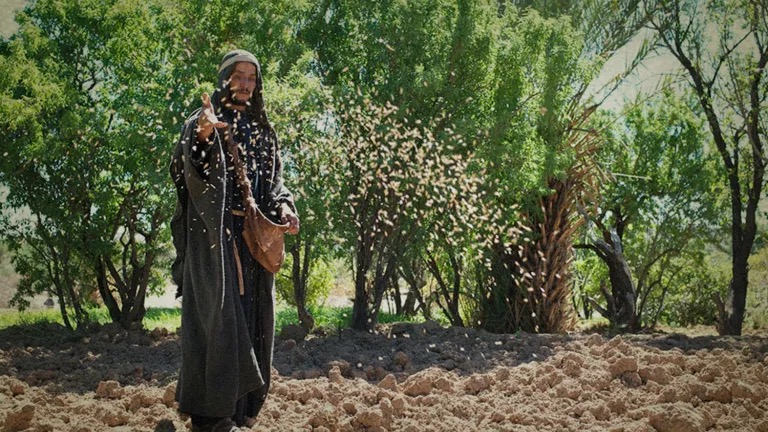
🌾 The Parable of the Four Soils: A Message that Shakes the Modern World
🌱 Introduction: A Simple Story with Profound Implications
In a world drowning in information but starving for truth, one of Jesus’ simplest stories still cuts straight to the heart of human existence. The Parable of the Four Soils (also called the Parable of the Sower) is not just a quaint agricultural tale from ancient Israel; it’s a mirror held up to every human heart, regardless of culture, religion, or era.
In our secular society, where truth is often seen as relative and distractions are limitless, this parable challenges us to examine the condition of our inner lives. Are we truly hearing what matters? Or have our hearts become hardened, shallow, or choked by the noise of the world?
🌿 The Story: A Sower, Seed, and Four Soils
Jesus tells of a farmer who goes out to sow seed. The seed falls on four different types of soil, each producing a dramatically different result:
1. The Path (Hard Soil)
- Seed falls on the roadside path, quickly eaten by birds.
2. Rocky Ground (Shallow Soil)
- Seed sprouts fast but withers in the sun because it has no deep roots.
3. Thorny Ground (Crowded Soil)
- Seed grows but gets choked out by thorns and weeds.
4. Good Soil (Fertile Ground)
- Seed takes root, grows, and produces a rich harvest.
Jesus later explains that the seed is the Word of God, and the soils represent the varied responses of human hearts.
🍃 Four Responses to Truth in a Secular Age
Let’s bring this parable into our world today. The sower’s seed hasn’t changed. The message of truth, purpose, and salvation remains constant. But the hearts receiving that message are as varied today as they were in Jesus’ time.
1. The Hard Path: The Closed Mindset
In our age of cynicism and skepticism, many people have hardened hearts towards anything spiritual. This is the “I’ll believe it when I see it” crowd. Truth is filtered through human reason alone, and anything that hints at divine revelation is dismissed as ancient superstition.
Illustration: Think of the person endlessly scrolling through social media, absorbing surface-level news and opinions but never pausing to reflect on life’s deeper questions. The message of hope is presented but never even considered.
Secular Impact: This hardened soil reflects a society that prizes intellectualism but often shuts its ears to wisdom. The challenge is not the availability of truth, but the unwillingness to engage with it.
2. The Rocky Ground: The Shallow Heart
This is the emotional hearer—quick to embrace a feel-good message but lacking depth. In a culture obsessed with instant gratification, many are eager for a quick fix to life’s problems. They might dabble in faith when it feels good but abandon it when life gets hard.
Illustration: Picture a person who attends a motivational seminar, gets fired up, but by next week is back to old habits because there was no real commitment.
Secular Impact: Our world loves inspiration but resists transformation. People crave purpose but balk at discipline. The rocky soil is evident in the revolving door of self-help trends, spiritual fads, and surface-level commitments.
3. The Thorny Ground: The Distracted Life
Here lies the person whose heart is crowded. Worries about career, money, status, and the pursuit of pleasure drown out spiritual growth. The thorns of life—stress, greed, anxiety, and worldly ambitions—choke out any seed of truth.
Illustration: Imagine someone who genuinely wants to live a meaningful life but is so entangled in the rat race that they never make room for what truly matters.
Secular Impact: This is perhaps the most relatable soil in our fast-paced, consumer-driven world. People are not necessarily hostile to faith; they’re just too busy, too distracted, too entangled to let it grow.
4. The Good Soil: The Open, Receptive Heart
Finally, there are those who hear, understand, and allow truth to transform them. They cultivate a heart that is humble, teachable, and willing to endure the seasons of growth.
Illustration: This is the individual who intentionally seeks wisdom, reflects deeply, embraces discipline, and bears fruit in their character and relationships.
Secular Impact: In a world craving authenticity, those who live out this “good soil” life stand out. They are not perfect, but their lives produce compassion, integrity, and influence that transcends the noise of culture.
📈 The Parable’s Message to Modern Society
Jesus’ parable is not just a personal spiritual assessment; it’s a social commentary that holds a mirror to our collective cultural heart.
🔍 Truth is Not the Problem – Receptivity Is
In an era of information overload, the problem isn’t a lack of truth but a lack of deep, fertile hearts ready to receive it. The Gospel is not failing to reach people; people are failing to prepare their hearts to receive the Gospel.
📆 Depth Over Hype
Our culture chases emotional highs and instant results. But shallow enthusiasm fades. True life change requires deep roots. This parable calls for intentional, patient growth.
🌱 The Cost of Distraction
Thorns are not inherently evil things; they are simply the cares of life that become overgrown. Busyness, materialism, and entertainment culture suffocate the spiritual life unless we consciously cultivate space for truth.
💖 Fruitfulness is the Test of Authenticity
In a skeptical world, people are tired of empty words and hollow promises. The real proof of a transformed life is fruit—compassion, integrity, service, joy. This is the undeniable witness that cuts through cultural skepticism.
📈 The Ripple Effect of Good Soil Lives
When the seed of truth lands in good soil, the impact multiplies. It doesn’t just benefit the individual; it influences families, communities, and societies. History is filled with men and women whose “good soil” lives changed the world:
- William Wilberforce (Abolition of Slavery)
- Mother Teresa (Care for the poor)
- C.S. Lewis (Literary and spiritual influence)
Their fruitfulness wasn’t due to flashy charisma but a heart that received truth and nurtured it to maturity.
💡 How Do We Cultivate Good Soil Today?
Practice Reflection Over Reaction
In a reactionary culture, carve out time for reflection. Turn off the noise. Let truth sink in.
Embrace Discipline Over Emotion
Don’t let your spiritual journey be dictated by how you feel today. Consistent, small acts of obedience bear long-term fruit.
Weed Out the Thorns
Regularly examine your life for the “thorns” of worry, greed, and misplaced priorities. Prune them before they choke your growth.
Stay Rooted in Community
Good soil thrives best in a cultivated field. Surround yourself with people who challenge, encourage, and nurture your growth.
Expect a Harvest in Due Time
Growth takes time. Fruitfulness doesn’t happen overnight. Be patient and persistent.
🌟 Conclusion: The Parable That Still Speaks
The Parable of the Four Soils is not just a Sunday School lesson. It is a profound commentary on how people respond to truth in every age. In our modern, secular world, it calls out the hardened skeptic, the shallow thrill-seeker, the distracted busybody, and the receptive truth-seeker.
The question isn’t whether the seed is being sown. It is: What kind of soil is your heart?
In a society that craves authenticity, depth, and meaning, living as “good soil” isn’t just a personal blessing—it’s a testimony that can change the world.
📝 Published by Mountain Veteran Ministries
💬 Leave a comment below or share this blog if it stirred your heart.
📧 Subscribe to our newsletter for more gospel-rooted insights.